Conversions
EV ConversionsOur ProcessTechnologyPricingAll ServicesOur Builds
Learn
Why Convert?Gas vs ElectricFAQConvert a MustangConvert a Land RoverConvert a Pickup Truck
Company
AboutContact Start Your Build
The Case for Electric

Why Convert Your Classic?

Your car was built to be driven. An EV conversion makes that possible again — without sacrificing a single thing that makes it special.

Reliability

Keep Your Car Forever

You bought your classic because nothing else on the road looks like it, feels like it, or means what it means to you. But somewhere along the way, driving it became an event that required planning, backup plans, and a mechanic on speed dial.

An electric drivetrain changes that equation entirely. With fewer than twenty moving parts compared to the thousands inside a combustion engine, an EV conversion transforms your classic from a temperamental weekend car into something you can drive to work on Monday, take to dinner on Friday, and road-trip in on Saturday. The motors and batteries we use are engineered for hundreds of thousands of miles. Your car was built to last. Now its powertrain can match.

Still have questions about maintenance and long-term ownership? Our FAQ covers everything from battery lifespan to charging at home.
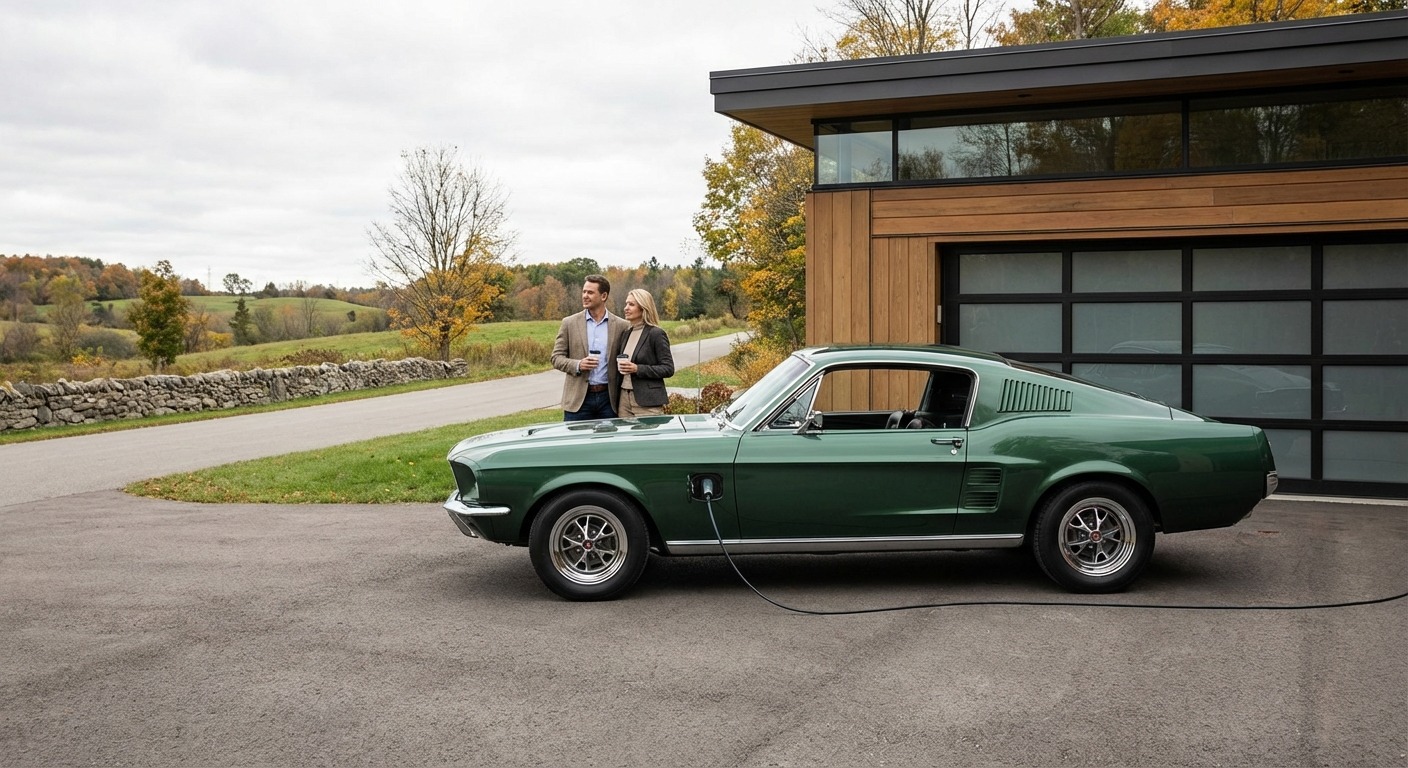
Classic car prepared for modern electric driving
Simplicity

No More Engine Headaches

There is a particular kind of frustration that every classic car owner knows. The carburetor that refuses to idle properly in cold weather. The mystery oil leak that reappears two weeks after the shop said it was fixed. The vapor lock on a hot day that leaves you stranded at the worst possible moment.

When you convert to electric, those problems do not just improve — they disappear. There is no carburetor. No ignition timing to drift. No radiator to overheat. No exhaust system to rust through. No fluids to leak, burn, or check every Sunday morning. The entire chain of fragile, aging components that makes old engines unreliable is replaced by a single motor that asks nothing of you but electricity.

Curious how the day-to-day ownership experience compares? Our gas vs electric breakdown puts the numbers and the hassles side by side so you can see exactly what changes and what stays the same.

Classic car prepared for modern electric driving
Performance

A Better Driving Experience

The first time you press the accelerator in an electric classic, something shifts in your understanding of the car. The power is immediate — not building through a powerband, not waiting for the turbo to spool, not hesitating while the automatic hunts for the right gear. It is simply there, all of it, from a standstill.

Electric torque does not just make these cars faster. It makes them more refined. The ride is quieter, so you hear the wind and the tires instead of valve clatter. The weight distribution often improves because batteries sit low in the chassis, which sharpens the handling. And with regenerative braking, the car slows smoothly the moment you lift off the throttle — a feel that becomes intuitive within minutes.

The technology behind our conversions is what makes this level of refinement possible. And our completed builds gallery shows what that refinement looks like across dozens of different platforms, from sports cars to trucks.

Classic car prepared for modern electric driving
Investment

Future-Proof Your Investment

The world is moving toward electric, and that shift is already affecting classic cars. Cities across Europe are implementing low-emission zones that ban combustion vehicles from historic centers. California's emissions regulations grow stricter every year. The cost of leaded fuel additives, specialty oils, and obsolete engine parts climbs steadily as supply dwindles.

An EV conversion insulates your car from all of it. Your classic becomes compliant with current and foreseeable emissions standards. It no longer depends on a shrinking supply chain of legacy parts. And its value holds — collectors and enthusiasts increasingly recognize that a well-executed electric conversion adds capability without erasing provenance.

Every conversion we perform is designed to be reversible. We catalog and store your original drivetrain components, so a future owner can restore the car to factory specification if they choose. That level of care is part of what sets our approach apart. For a detailed look at what that investment looks like at each level, visit our pricing guide.

Classic car prepared for modern electric driving

"The best classic cars deserve more than a garage. They deserve a future."

Side by Side

Gas vs Electric: See the Full Comparison

Words are one thing. Numbers are another. We have put together a detailed comparison that covers everything from annual maintenance costs to acceleration times, from fueling logistics to long-term value retention.

If you are weighing the decision and want hard data alongside the emotional case, this is the page to read. It covers reliability, running costs, environmental impact, the driving experience, and what it actually means to own a converted classic day to day.

Compare Gas vs Electric
Classic car prepared for modern electric driving
Popular Platforms

Popular Models to Convert

While we work with nearly any classic vehicle, these three platforms represent some of the most rewarding and popular conversions we perform. Each model page includes estimated specs, conversion details, and what makes that platform special.

Ford Mustang

The first-generation Mustang is a natural fit for electric power. Its lightweight body, simple rear-drive layout, and spacious engine bay make for a clean conversion with dramatic results. Owners consistently describe the electric Mustang as the car Ford would have built if the technology had existed in 1965.

Mustang conversions

Land Rover Defender

The Defender was designed to conquer terrain, not win fuel economy awards. Electric torque gives it even more low-end pulling power for off-road work, while eliminating the thirsty, leak-prone engine that has always been its weakest link. The result is a quieter, more capable workhorse that still goes absolutely anywhere.

Land Rover conversions

Classic Pickup Trucks

From Chevy C10s to Ford F-100s, vintage trucks are ideal EV candidates. Their generous engine bays and robust ladder frames accommodate large battery packs without compromising the original look. Truck owners love the combination of classic styling with modern, silent utility.

Pickup conversions
Classic car prepared for modern electric driving
Next Steps

Ready to Explore the Idea?

Converting a classic car is a significant decision, and we believe it should be made with full information. That is why we have built an entire library of resources to help you think it through, from our detailed step-by-step process overview to our transparent pricing guide and comprehensive services page.

If you are the kind of person who wants to talk to someone before committing to anything, we understand. Reach out to us directly — no pressure, no sales pitch, just an honest conversation about what a conversion could look like for your specific car.

Your Car Deserves It

Start the Conversation

Tell us about your classic and we will show you what is possible. No obligation, no pressure — just a clear picture of what your car could become.